Improving Your Posture: A Physiotherapist's Guide to Preventing Pain
-
 Dr. Ganesh Sai (MPT)
 - 01 Apr, 2025
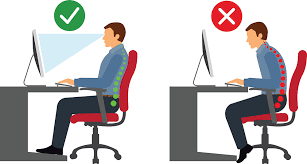
Poor posture is one of the most common causes of musculoskeletal pain we treat at Vedya’s PhysioCare. Whether you’re working at a desk, using your smartphone, or even standing in line, your posture impacts your overall physical health and comfort.
Understanding Posture-Related Problems
Many patients come to our clinic complaining of neck pain, headaches, or lower back discomfort without realizing that these issues often stem from postural habits developed over years. Poor posture places excessive stress on your spine, muscles, and joints, leading to:
- Chronic neck and shoulder tension
- Increased risk of disc herniation
- Reduced lung capacity and breathing efficiency
- Digestive issues due to compressed abdominal organs
- Headaches from increased tension in neck muscles
- Early onset of joint degeneration
The Physiotherapy Approach to Better Posture
At Vedya’s PhysioCare, our physiotherapists assess your standing, sitting, and movement patterns to identify postural imbalances. We then create personalized treatment plans that may include:
“Posture correction isn’t about forcing yourself into uncomfortable positions. It’s about retraining your body’s natural alignment and strengthening the muscles that support proper positioning.”
1. Ergonomic Assessments and Modifications
Your workspace setup significantly impacts your daily posture. We recommend:
- Computer monitor at eye level
- Chair height allowing feet to rest flat on the floor
- Keyboard position that keeps elbows at 90 degrees
- Regular position changes every 30 minutes
- Supportive footwear for standing tasks
2. Targeted Exercises for Postural Improvement
These exercises can be performed at home to reinforce proper alignment:
Chin Tucks: While sitting or standing with a straight back, gently draw your chin back, creating a “double chin.” Hold for 5 seconds and repeat 10 times, several times daily.
Wall Angels: Stand with your back against a wall, feet shoulder-width apart. Place your arms against the wall in a “goalpost” position and slowly slide them upward while keeping contact with the wall.
Core Strengthening: Planks and modified bridges help build the core stability necessary for maintaining proper posture throughout the day.
3. Manual Therapy Techniques
Our physiotherapists use hands-on approaches to address muscle imbalances:
- Myofascial release for tight pectoral muscles
- Joint mobilizations for restricted thoracic spine movement
- Trigger point therapy for overactive compensatory muscles
- Stretching techniques for chronically shortened muscles
Making Posture Improvement a Habit
Lasting posture correction requires consistency. We recommend:
- Setting posture check reminders on your phone or computer
- Using visual cues in your environment (like a colored dot on your monitor)
- Practicing mindfulness about your body position during daily activities
- Gradually increasing the time spent maintaining proper posture
- Using supportive devices like lumbar rolls when appropriate
Remember that posture correction is a process that takes time. Many patients see significant improvements in comfort and pain levels within 4-6 weeks of consistent practice.
Schedule an assessment at Vedya’s PhysioCare in Miyapur for a personalized posture correction plan designed for your specific needs and lifestyle.