Exercise Therapy: The Foundation of Modern Physiotherapy Practice
-
 Dr. Ganesh Sai (MPT)
 - 25 Apr, 2025
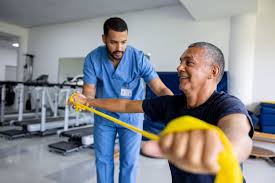
Exercise therapy stands as the cornerstone of modern physiotherapy practice. At Vedya’s PhysioCare, we develop customized therapeutic exercise programs that are evidence-based and tailored to each patient’s specific needs, goals, and condition.
The Science Behind Exercise Therapy
Unlike general fitness routines, therapeutic exercise is carefully prescribed based on clinical reasoning and scientific principles:
- Specificity: Targeting particular tissues, movement patterns, or physiological responses
- Overload and Progression: Gradually increasing challenges to drive adaptation
- Individualization: Accounting for patient-specific factors like age, condition, and goals
- Functional Relevance: Focusing on movements that translate to real-life activities
- Dosage Control: Precisely managing frequency, intensity, time, and type of exercise
These principles ensure that therapeutic exercises deliver maximum benefit while minimizing risk.
Types of Therapeutic Exercise Approaches
At Vedya’s PhysioCare, our exercise interventions span several categories:
“Exercise prescription is both an art and a science. The science guides our selection of appropriate exercises, while the art lies in adapting these interventions to the individual, ensuring both effectiveness and adherence.”
1. Range of Motion and Flexibility Exercises
These exercises focus on maintaining or improving joint mobility and tissue extensibility:
- Passive range of motion techniques
- Active-assisted movements
- Stretching protocols (static, dynamic, proprioceptive neuromuscular facilitation)
- Joint mobilization with movement
2. Strength and Resistance Training
Building muscle strength and endurance is crucial for functional recovery:
- Progressive resistance training
- Isometric (static) strengthening
- Concentric and eccentric muscle contractions
- Functional strength exercises that mimic daily activities
3. Neuromuscular Control and Proprioception
These exercises improve coordination, balance, and body awareness:
- Balance training (static and dynamic)
- Proprioceptive exercises using unstable surfaces
- Motor control retraining for specific movement patterns
- Sensorimotor integration activities
4. Cardiovascular and Endurance Training
Aerobic conditioning is essential for overall health and functional capacity:
- Graded cardiovascular programs
- Interval training adapted for patient capabilities
- Aerobic conditioning that accommodates movement limitations
- Cross-training approaches that minimize joint stress
The Assessment-Based Approach
Our exercise prescription process always begins with a comprehensive assessment:
- Baseline Measurements: Quantifying current capacity through standardized tests
- Goal Setting: Establishing clear, measurable objectives with the patient
- Exercise Selection: Choosing interventions based on assessment findings
- Monitoring: Regular reassessment to evaluate progress and adjust parameters
This systematic approach ensures that exercise interventions are both appropriate and effective.
Technology in Exercise Therapy
Modern physiotherapy incorporates technology to enhance exercise therapy outcomes:
- Biofeedback Systems: Providing real-time data on muscle activation
- Motion Analysis: Capturing movement patterns for precise correction
- Mobile Applications: Supporting home exercise program adherence
- Telerehabilitation: Enabling remote monitoring and guidance of exercise programs
At Vedya’s PhysioCare, we selectively integrate these technologies when they add value to patient care.
Special Considerations for Different Populations
Pediatric Exercise Therapy
For our young patients, exercise must be:
- Developmentally appropriate
- Play-based to maintain engagement
- Family-involved for better adherence
- Progressive to support growing bodies
Geriatric Exercise Prescription
For older adults, we focus on:
- Fall prevention through balance training
- Functional strength for independence
- Modified approaches for those with comorbidities
- Exercise that maintains bone density
Sports Rehabilitation
For athletes, our approach emphasizes:
- Sport-specific movement patterns
- Phased return-to-play progressions
- Performance optimization beyond basic recovery
- Injury prevention strategies
Adherence and Home Exercise Programs
The most effective exercise therapy extends beyond clinic visits. We support adherence through:
- Clear Instructions: Using videos, images, and written materials
- Realistic Programs: Designing manageable routines that fit into daily life
- Regular Follow-up: Providing adjustments and accountability
- Understanding Barriers: Addressing personal challenges to exercise adherence
Evidence-Based Outcomes of Exercise Therapy
Research consistently demonstrates that properly prescribed exercise therapy leads to:
- Reduced pain and disability in musculoskeletal conditions
- Improved function following neurological events
- Enhanced quality of life in chronic conditions
- Reduced recurrence of many common injuries
- Decreased dependence on pain medications
Getting Started with Exercise Therapy
If you’re recovering from injury, managing a chronic condition, or seeking to improve function, exercise therapy can be transformative. At Vedya’s PhysioCare in Miyapur, our experienced physiotherapists will develop a personalized exercise program that addresses your specific needs and goals.
Remember that successful exercise therapy is a collaborative process—your active participation is the key to achieving optimal outcomes.