Sports Injury Recovery: A Physiotherapist's Guide
-
 Dr. Ganesh Sai (MPT)
 - 18 Apr, 2025
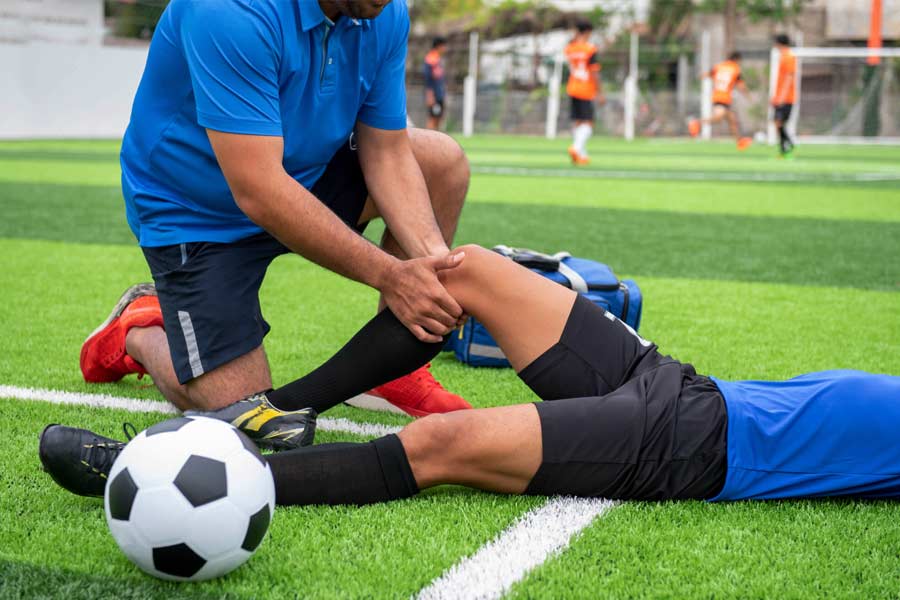
Whether you’re a professional athlete or a weekend warrior, sports injuries can happen to anyone. The good news is that with proper physiotherapy intervention, most sports injuries can heal effectively, allowing you to return to the activities you love. This guide explores the physiotherapy approach to sports injury recovery and prevention.
Common Sports Injuries
Athletes and active individuals commonly experience:
- Sprains and strains: Overstretched or torn ligaments (sprains) or muscles/tendons (strains)
- Tendinopathies: Inflammation or degeneration of tendons, like Achilles tendinopathy or tennis elbow
- Muscle tears: Ranging from minor (Grade 1) to complete ruptures (Grade 3)
- Joint injuries: Including dislocations and cartilage damage
- Stress fractures: Tiny cracks in bones from repetitive force or overuse
The Physiotherapy Approach to Sports Injuries
1. Professional Assessment
The first step in recovery is a thorough assessment by a qualified physiotherapist who will:
- Evaluate the nature and severity of your injury
- Assess movement patterns and biomechanics
- Identify contributing factors that may have led to the injury
- Develop a customized rehabilitation plan
At Vedya’s PhysioCare, our sports physiotherapy team has extensive experience working with athletes of all levels and understands the unique demands of different sports.
2. Early Phase Management
Immediately after injury, treatment focuses on:
- Pain management: Using techniques like ice therapy, gentle manual therapy, and sometimes electrotherapy
- Protection: Advising on appropriate rest, bracing, or supportive taping if needed
- Swelling control: Through compression, elevation, and specific exercises
- Maintaining range of motion: With gentle, controlled movements that don’t aggravate the injury
3. Progressive Rehabilitation
As healing progresses, your physiotherapist will guide you through:
- Strength building: Targeted exercises to restore muscle strength around the injured area
- Flexibility training: Gradually improving range of motion without causing pain
- Proprioception exercises: Retraining your body’s awareness of position and movement
- Functional training: Sport-specific exercises that mimic the movements required in your sport
4. Return to Sport Planning
The final phase of rehabilitation is critical and involves:
- Sport-specific conditioning: Building endurance and power relevant to your sport
- Gradual progression: Incrementally increasing intensity, duration, and complexity of activities
- Technique refinement: Addressing any movement patterns that might increase injury risk
- Return-to-play testing: Objective assessments to determine readiness for full participation
Preventing Re-injury
A comprehensive sports injury treatment plan doesn’t end with recovery. Prevention is equally important and includes:
Addressing Biomechanical Issues
Many sports injuries result from underlying biomechanical problems. A physiotherapist can:
- Analyze your movement patterns during sport-specific activities
- Identify and correct imbalances or technical flaws
- Recommend appropriate footwear or orthotics if necessary
Implementing Proper Training Protocols
Your physiotherapist can advise on:
- Appropriate warm-up and cool-down routines
- Training load management to avoid overtraining
- Periodization of training to allow for recovery
- Cross-training strategies to reduce repetitive stress
Ongoing Maintenance
For athletes, regular physiotherapy check-ins can:
- Address minor issues before they become major problems
- Progress training as your body adapts
- Adjust technique as needed for optimal performance
- Monitor recovery from intense training or competition
Recovery Timelines
While every injury and individual is different, general recovery timelines might include:
- Mild sprains/strains: 2-4 weeks with appropriate management
- Moderate ligament injuries: 6-8 weeks of rehabilitation
- Tendinopathies: 3-6 months of progressive loading and rehabilitation
- Post-surgical rehabilitation: 6-12 months depending on the procedure
Working with a physiotherapist ensures you’re progressing at the optimal pace—not too fast (risking re-injury) and not too slow (leading to unnecessary deconditioning).
When to Seek Professional Help
Consult a physiotherapist if:
- You experience sudden or severe pain during activity
- You notice significant swelling, bruising, or deformity
- You cannot bear weight or use the injured body part
- Pain persists beyond a few days with home management
- You’re unsure about returning to your sport after injury
Conclusion
Sports injuries don’t have to mean the end of your athletic pursuits. With expert physiotherapy guidance, you can not only recover from injuries but often return stronger and with better body awareness than before.
At Vedya’s PhysioCare, our specialized sports physiotherapy programs combine evidence-based techniques with personalized care to help you achieve optimal recovery and performance. Contact us to schedule an assessment with our sports physiotherapy team.